Restaurant Roofing in Deltona, FL
Restaurant roof leak repair, exhaust-curb flashing, drainage and phased replacement in Deltona, scoped for kitchen operations and wet-season rain.
A loose exhaust curb can send rain into a kitchen ceiling while the fan is running, spreading water near equipment before anyone sees a roof opening. By the time a manager closes a prep area, the failure may have reached insulation or decking above it. We inspect the curb, membrane, nearby seams and interior conditions together, then separate an urgent repair from work that can be scheduled between operating periods. In Deltona, afternoon storms repeat the test during the summer wet season.
Restaurant roofs combine grease exhaust, make-up air, refrigeration units, plumbing vents and service access in a compact area. Each curb and pipe interrupts the waterproofing, and trade work can disturb flashing after installation. Our scope identifies the actual failure point, the roof section it affects and the access or shutdown needed to fix it. The owner can then compare a targeted repair with replacement if moisture or aging reaches beyond the equipment zone.
Exhaust Curbs: Find the Opening Below the Fan
Water often tracks along a curb or conduit before it reaches the interior. Grease and rooftop service can make inspection difficult, so we look at the flashing termination, fasteners, sealant condition and membrane around the equipment base. A ceiling stain alone cannot show whether the curb, a nearby seam or a drain caused the entry. We map the roof and interior locations, photograph the findings and use moisture testing where it will change the repair boundary.
Before an HVAC or kitchen exhaust contractor replaces equipment, roofing responsibility should be clear. The new unit may have a different footprint, and an abandoned curb or opening must be closed with a compatible detail. We can define who removes and reinstalls accessories, who provides temporary dry-in and when the roof is ready for the equipment trade. A curb and support review helps the manager catch the interface before the old unit leaves the roof.
Where a leak is active, our commercial roof repair can address the failed flashing and nearby membrane if the surrounding assembly supports a localized fix. A roof condition review records what was found so future service does not begin with a guess.
Kitchen Schedule: Keep the Repair Within a Workable Window
A restaurant may operate through breakfast, lunch and dinner, while deliveries, cleaning and exhaust maintenance occupy different hours. The roofing plan should name when a lift can arrive, whether a fan shutdown is required, which kitchen or entrance needs protection and how long that area remains restricted. We coordinate noisy or disruptive work with the manager and close each exposed roof zone against rain before leaving. The plan should also identify who can approve a changed condition during removal.
Deltona Village on Howland Boulevard was planned for retail, medical office and flex uses, a mix that helps explain why local commercial access can involve different operating schedules. A restaurant's own operations map still decides the day. We plan around the actual loading point, exhaust equipment, customer entrances and neighboring uses. A grocery roof shares some food-service equipment concerns, while a hotel roof can require coordination across guest and service areas.
The choice among repair, recover and replacement depends on the existing layers, moisture, deck condition, slope and attachment. A recover may be appropriate when the assembly is dry and eligible. Broad wet insulation or repeated failures at several curbs may support removal instead. The bid should spell out insulation, flashing, edge metal, drainage and temporary protection rather than naming only the top membrane. Which membrane goes back down follows the deck and the equipment layout, and a coating enters the comparison only where the substrate will hold it.
Drainage and Grease: Keep the Full Water Route in View
Kitchen exhaust residue, debris and routine service can collect near equipment, but it is the roof drainage path that determines whether stormwater clears the area. We inspect drain bowls, overflow outlets, scuppers and low spots beside the equipment zone. If an outlet is blocked or a membrane depression holds water, the scope should list that correction separately from flashing work. A drain and overflow correction can address the route to ground when the defect involves more than a curb.
Deltona receives roughly 51 to 53 inches of rain a year, with much of it between June and September. Repeated downpours can expose a curb detail that seems dry in a brief shower. A small leak left until the next busy period can damage ceiling material, disrupt food preparation or require an unplanned closure. Our condition record links roof observations to the area below and lets the owner prioritize a repair without turning every stain into a whole-roof project.
Retail represents 15.4 percent of Deltona jobs, and the city has planned commercial activity along Howland Boulevard. Working hours and customer access therefore weigh as much as the membrane. A clear photo record and roof map helps compare repair bids and track deferred items. Before the next storm, the owner should know which opening remains active, what temporary protection is in place and when permanent work can begin.
Hurricane Season: Close Vulnerable Details Before the Rush
Charley passed directly over Deltona in 2004, with Frances and Jeanne following that same year. Before the season, we inspect corners, edges, exhaust curbs and rooftop supports for loose flashing or open seams, then document the conditions actually found. That record is reason to review the roof early in the year. The owner needs a repair list that identifies what is urgent and what can remain in the reserve line.
The planned Deltona Village district sits on Howland Boulevard near the I-4 connection, so deliveries and lifts for a restaurant in the Howland Boulevard area are scheduled around the lunch and dinner rush, and the crew still assesses that roof on its own constraints. When water is coming in, a crew answers around the clock, weekends and holidays included, and cuts the interior exposure with a temporary cover. Permanent repair follows once the assembly can be inspected safely and the correct detail is ready.
The closeout should record repaired curbs, drainage adjustments, remaining defects and any access issue that needs follow-up. Owners can add scheduled maintenance to revisit seams, equipment bases and drains before they fail during service hours. That cadence gives the manager time to plan a kitchen shutdown or delivery adjustment instead of reacting after water reaches a work surface.
Commercial Roofing Questions
Can a restaurant keep serving customers during roof work?
Often the work can be confined to one roof zone, but the manager must approve lift access, customer routing and any interior protection. We identify fan or equipment shutdowns before scheduling, then close each exposed section before leaving. The work plan should name the person who can pause operations if conditions change.
Who should handle flashing when a kitchen exhaust unit is replaced?
The owner should assign the interface before the mechanical work begins. Confirm who removes the old curb, closes abandoned openings, installs new flashing and protects the roof overnight. A written handoff and photographs of the exposed assembly can prevent a later leak dispute between trades.
When does a restaurant roof need more than a curb repair?
Look at moisture and failures beyond the equipment base. If wet insulation extends across a zone, seams have opened in several areas or the deck is affected, a narrow patch may leave the cause in place. We map the findings and compare repair, recover and replacement quantities before a larger scope is chosen.
How should Deltona restaurant owners prepare for summer storms?
Start early enough to clear drainage defects and repair open flashing before the wet months. We check the roof's actual edges, equipment curbs, seams and outlets, then set a decision date for any deferred work. A documented temporary plan matters if a repair cannot be completed before rain returns.
Call before the next downpour or equipment change. We will trace the water path, coordinate kitchen access and show the owner which repair belongs in the immediate scope.
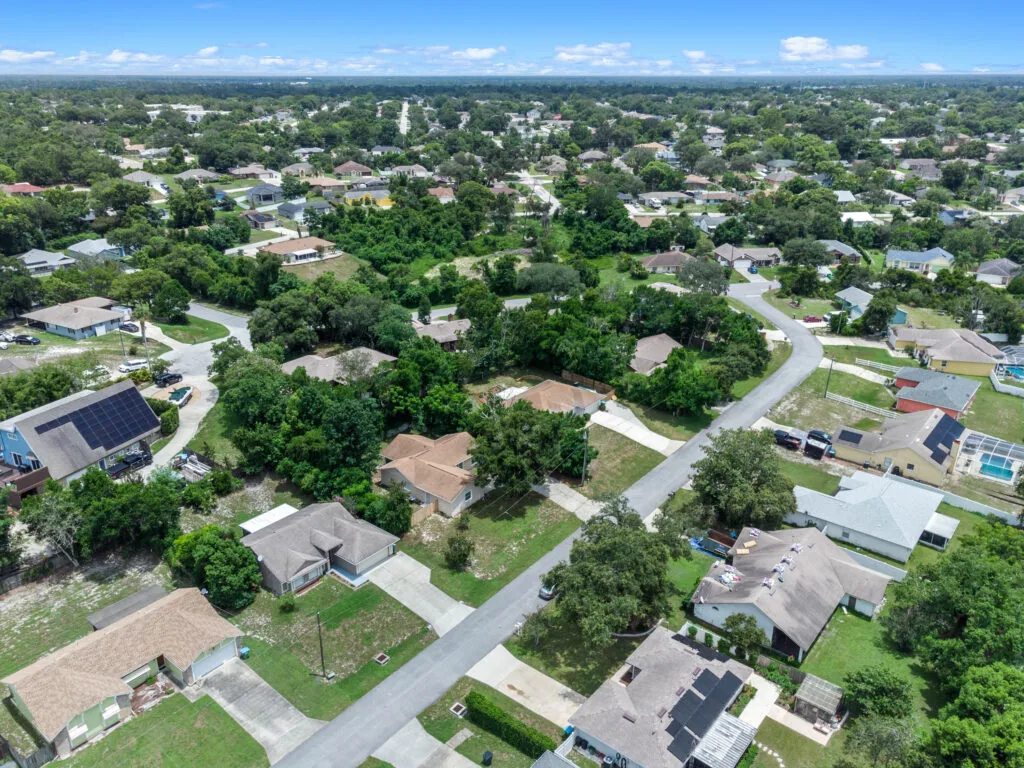
Commercial Roofers Deltona documents the roof before it quotes the work, so every scope starts from what is actually on the building.
Ready to Review Your Roof?
Tell us about the building, the roof and what you are seeing. We will outline the next practical step, whether that is an inspection, a repair scope or a replacement plan.