Commercial Roofing in Port Orange, FL
Commercial roofing in Port Orange, FL, with repair scopes, inspections and replacement options based on the roof condition, access and code review.
A roof that drains slowly after a hard rain can keep loading a seam or flashing long after the storm passes. In Port Orange, the right first move is to identify the low point, trace the water route and confirm whether the roof surface is still sound around it. We inspect the assembly, photograph the drainage details and compare roof conditions with any interior reports. The owner receives a choice tied to the actual failure, not a broad replacement recommendation based on one wet ceiling tile.
Port Orange recorded 62,596 residents and 30,285 housing units in 2020, with health care, retail trade and food service among its largest employment sectors. Health care and retail tenants keep regular hours, which puts access windows into every roof plan. Road access is part of planning too: I-95 has one Port Orange interchange at Exit 256, where SR 421 connects with Taylor Road and Dunlawton Avenue, and Nova Road is SR 5A. A commercial roof inspection confirms the site conditions before work is priced.
Drainage Review: Find the Place Water Keeps Returning
Water that remains around a drain can stress seams and expose a detail that looked sound when dry. We inspect the drain bowl, surrounding membrane, nearby penetrations, edge conditions and interior symptoms. A blocked path and a failed membrane are different problems, so we note each separately. If water has reached insulation, the owner needs to know whether it is a small area or a condition that changes the repair boundary. A drain and scupper repair starts with that distinction.
Deltona's market climate data reports about 51 to 53 inches of annual rain, concentrated from June through September, and mean highs up to 92 F in July. Those Deltona figures describe the regional summer cycle of heat and repeated rain; the Port Orange roof walk establishes the site's own drainage and surface condition. We look at how each roof sheds water rather than assume one ponding condition has one cause. Photos show the route and any detail that needs repair before another wet period. On a retail property with many tenants, we mark each drain on the plan and note which suites it serves, so a blocked outlet can be traced to the roof section above the right storefront.
Repair Versus Replacement: Let the Assembly Set the Scope
A localized defect with dry, secure material around it may support a repair. If moisture extends below the surface, attachment is compromised or the deck condition needs attention, a larger project may be the responsible comparison. We identify the existing roof layers and test where observation alone cannot answer the question. A recovery should not trap wet materials; replacement should explain what will be removed and how exposed areas will be kept protected each day.
The building visit determines access, staging and the work sequence. We can prepare a roof recovery option when the assembly qualifies, alongside a replacement scope if removal is needed. The comparison should state exactly how much roof area is included, and it should name the drains and penetrations inside that area, which penetrations and edges are addressed, and what would trigger owner approval for added work. No option should rely on an assumed roof type.
Proposal Details: Make the Access Plan Visible
A proposal that lists a lump-sum repair but leaves access and staging unstated can create a schedule problem after approval. We confirm the work area, where materials can be placed, how crews reach the roof and what site contact can authorize changes. The manager confirms the gate, loading area and operating hours that govern the actual visit.
Compare bids by the same membrane area, detail repairs and protection measures. The scope should state whether photos, moisture testing or a controlled opening are included, and what happens if hidden wet materials are found. Our condition report can help ownership route questions before work starts. When the roof is metal, the proposal should cover panel laps, fasteners and transitions rather than applying a membrane repair method.
Wet-Season Exposure: Decide What Can Wait
When a recurring leak reaches insulation, the cost of waiting can include more removal, interior protection and an expanded repair window. A temporary cover may reduce exposure, but it does not show that the original seam or flashing has been restored. We separate urgent water control from the permanent repair so the owner has a decision date for each. The report records what is dry, what is wet and what requires an opening to confirm.
Hurricane Charley passed over Deltona in 2004, and Hurricane Milton brought severe gusts at Ponce Inlet in 2024. Storms like those are why loose edges, penetrations and open seams should be reviewed before a storm deadline controls the schedule. After a documented event, a storm-damage roof inspection records displaced materials and interior conditions before cleanup obscures them.
Work Window: Plan Around the Building's Use
Roofing on an occupied property takes coordination below the roof as well as above it. We confirm tenant hours, equipment access, deliveries and areas that need protection before opening a section. If the work touches a drain or curb, the plan sets a sequence that leaves no unprotected opening at the end of the shift. Weather can change the safe work window, so the proposal states the close-out method and who makes the call when conditions shift.
Health care, retail and food service lead Port Orange's employment, so tenant hours vary widely. The actual manager identifies sensitive operations and access rules. We can phase the work and keep the roof condition record alongside maintenance history. A phased occupied-building reroof is useful when building operations need to continue while roof sections are addressed. For a separate building in South Daytona or Daytona Beach Shores, we build a separate inspection and schedule rather than combining assumptions.
Commercial Roofing Questions
What should be checked when water remains near a roof drain?
We inspect the drain opening, bowl, membrane connection and nearby seams, then compare those conditions with the interior report. If the surface condition does not explain the water path, we may recommend testing. The scope should distinguish a drainage correction from membrane repair so each item has a clear boundary.
Does the Port Orange I-95 interchange settle roof access?
Not by itself. The interchange gets a crew to town, and the site contact confirms the property's entrance, staging area and roof access. We include those details in scheduling before materials are delivered.
When is roof recovery appropriate instead of replacement?
We first confirm existing layers, deck condition, attachment and moisture. A recovery can be considered when the assembly and code conditions allow it and concealed material is suitable to remain. If testing finds wet insulation or the deck needs work, removal may be the better scope. The report sets out those findings for approval.
Can a roof repair be staged around retail or healthcare operations?
Yes. The property contact identifies access restrictions, occupied areas and work periods, and we sequence roof openings so they can be closed safely. We can phase noisy or disruptive steps and coordinate material movement. The site-specific schedule is confirmed before the crew begins.
What records help compare two Port Orange roofing bids?
Use photographs, the same roof boundary, listed detail repairs, removal assumptions and close-out steps. We can clarify whether moisture testing and interior protection are included, then identify how concealed conditions would change the work. That makes the proposal comparison specific enough for an owner to approve.
Call Commercial Roofers Deltona to inspect the roof, document the drainage details and set the next decision before the wet season. Urgent roof failures can receive around-the-clock response, with planned work coordinated around the property's operations.
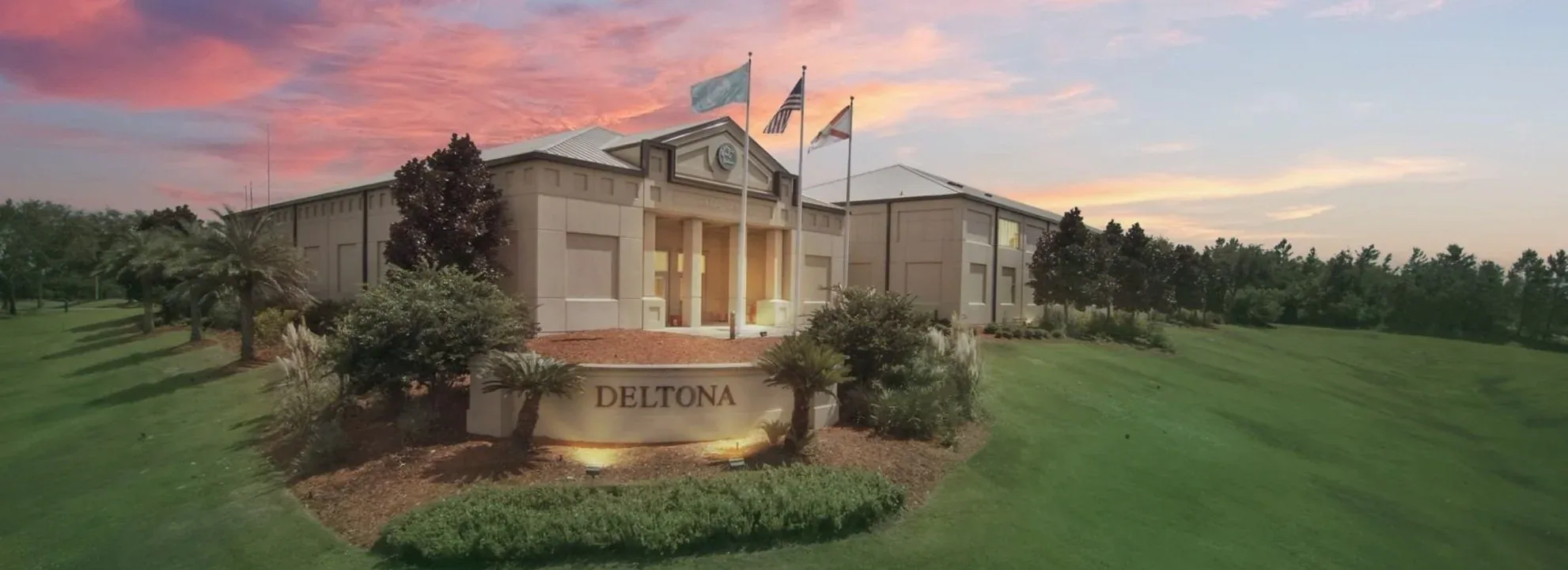
Commercial Roofers Deltona documents the roof before it quotes the work, so every scope starts from what is actually on the building.
Ready to Review Your Roof?
Tell us about the building, the roof and what you are seeing. We will outline the next practical step, whether that is an inspection, a repair scope or a replacement plan.