
Insurance and Restoration Roofing in Deltona, FL
Roof damage inspections, repair scopes and claim documentation in Deltona, with photos, moisture findings and restoration plans tied to the roof condition.
A date-stamped ceiling stain can be the first visible sign of roof damage, but it does not show where water entered or how far moisture traveled. The restoration decision needs a roof map, interior notes and a repair boundary that can be reviewed after the area is covered. We inspect the assembly, photograph conditions and separate immediate protection from permanent work. The record should describe what we observed, not predict what an insurer will decide.
Deltona's rain and storm history makes timely documentation useful after water entry. Hurricane Charley crossed directly over the city in 2004, while Frances and Jeanne also affected Deltona that year. Those events give the property owner a reason to preserve dates, photos and repair records, but the scope must be based on the current building. We trace the opening and identify what remains exposed before restoration proceeds.
Damage Record: Trace the Water Before Covering the Roof
Water can enter at a seam, curb, drain or roof penetration and appear inside far from that point. We compare the reported ceiling area with roof slope, insulation, deck and earlier repairs. Moisture scanning or selective cuts can help distinguish a localized wet area from broader damage. Photos should include the roof detail, surrounding membrane, interior location and any temporary protection, with dates and notes kept in the property file.
A hands-on roof inspection identifies visible conditions and the areas that may need additional testing. For an active opening, our claim documentation scope can organize roof photographs, moisture findings and repair quantities for the owner's records. We document physical conditions and the work performed; coverage, causation determinations and claim decisions remain with the parties responsible for them.
Where temporary work is needed, we note what material was used, which area it covers and what permanent repair remains. A temporary measure should not obscure the failed detail before it is recorded. If removal exposes wet insulation or deck damage, we photograph the change and define its limits before the next layer is installed. Keep a chronology with the time the leak was reported, weather observed, interior protection set, roof access completed and temporary materials installed. We can add the inspection date, test locations and quantities to the same roof map. If a later visit finds additional wet materials, the dated record shows what changed between observations. A consistent file reduces confusion when several parties review the repair at different stages.
Repair Boundary: Separate Emergency Work From Restoration
Emergency protection and permanent restoration are different tasks. A call at two in the morning on a holiday weekend still gets a crew whose first job is to cut interior exposure and leave a safe temporary condition. Once the roof can be assessed, we price the permanent repair around the confirmed opening and nearby materials. The owner receives separate notes for temporary actions, completed restoration and conditions still requiring a decision.
Deltona receives about 51 to 53 inches of rain per year, most from June through September. A roof that remains open to water may need additional protection while a claim or project approval moves forward. We state what is exposed, what can be isolated and how long a temporary measure is intended to remain before reinspection. A storm-damage repair scope lists the actual membrane, flashing and drainage work, each item tied to what the walk found.
Interstate 4 runs along the city's western boundary, while retail, medical-office and flex uses make up the Deltona Village plan on Howland Boulevard. Restoration teams working off the Deltona I-4 corridor still need the building's own access, restrictions and roof assembly confirmed on site.
Scope and Code: Keep Restoration Quantities Reviewable
A restoration proposal should list removal limits, wet insulation, deck allowance, membrane, flashing, edge metal, drains, temporary protection and closeout. We mark known quantities and identify where concealed damage may change them. The owner can compare the roofing work with a restoration estimate and keep any allowance separate from confirmed repairs. A photo condition report makes it easier to see which quantity follows from which observation.
Florida's Eighth Edition Building Code took effect at the end of 2023. The edition's repair rule reaches the entire roof when a year of work passes 25 percent of its area, except where the roof already follows the 2007 code or later. The design team should apply the rule to the actual roof area and prior work. We record the proposed quantities and the roof detail for that review, rather than describing code compliance as automatic.
A restoration contractor may also need clear trade boundaries for interior finish, mechanical work and roof replacement. A general contractor can coordinate the broader schedule, while a property manager can arrange tenant access and records. We define the roofing work, temporary dry-in and closeout so other trades know when the roof is ready for their task.
File Closeout: Preserve the Condition After Repairs
Before hurricane season, we inspect edges, corners, penetrations and repairs for conditions that could admit water or wind. Charley passed over Deltona, so a timely perimeter review can help owners address present defects before storms return. The report separates open items, completed repairs and the reserve list, and it ties a condition to a storm only where the roof shows the signs.
Crew access and material timing are planned from the point where State Road 472 meets Howland Boulevard by I-4. The property file should record the actual service entrance, work hours and any limits on staging. When restoration involves multiple properties, each roof needs its own photographs and quantities. A multi-property record can standardize reporting while preserving site-by-site findings.
At closeout, we list the repaired sections, materials installed, drainage changes, remaining defects and the date for follow-up. The owner can compare that record with later maintenance or another leak report, and a restoration contractor can see at a glance which roof areas were already opened, dried and closed. If a new stain appears, the prior map helps determine whether water returned at the repaired detail or came from a different point. Keeping the temporary response, permanent work and remaining exposure distinct gives the next reviewer a usable file.
Commercial Roofing Questions
What should a roof damage inspection document?
Record the reported interior location, roof section, visible failure, moisture results, photos, temporary protection and repair limits. We note what was observed and what remains uncertain. That gives the owner a condition file that can be compared with restoration quantities without making a coverage determination.
Can emergency roof work happen before a claim review is complete?
We can work to reduce active water exposure and document the temporary condition, then distinguish that action from permanent restoration. The owner should preserve photos and notes before affected materials are removed where conditions allow. Claim handling and approval remain with the responsible parties.
How are hidden roof conditions handled during restoration?
When removal exposes wet insulation or deck damage beyond the planned boundary, we pause at a safe point, photograph what is open and prepare a separate quantity for review. The owner can evaluate the change before it is covered. A clear record connects the added work to the observed condition.
When should Deltona owners review storm repairs before hurricane season?
Allow time for inspection, approvals and materials before the wet months. Charley crossed Deltona, so edge details and penetrations deserve a pre-season look. We report current conditions and identify any deferred repair, without assuming that every roof sustained storm damage.
Call after water entry or storm damage. We will document the roof condition, separate temporary protection from permanent repair and provide quantities that can be reviewed with the property file.
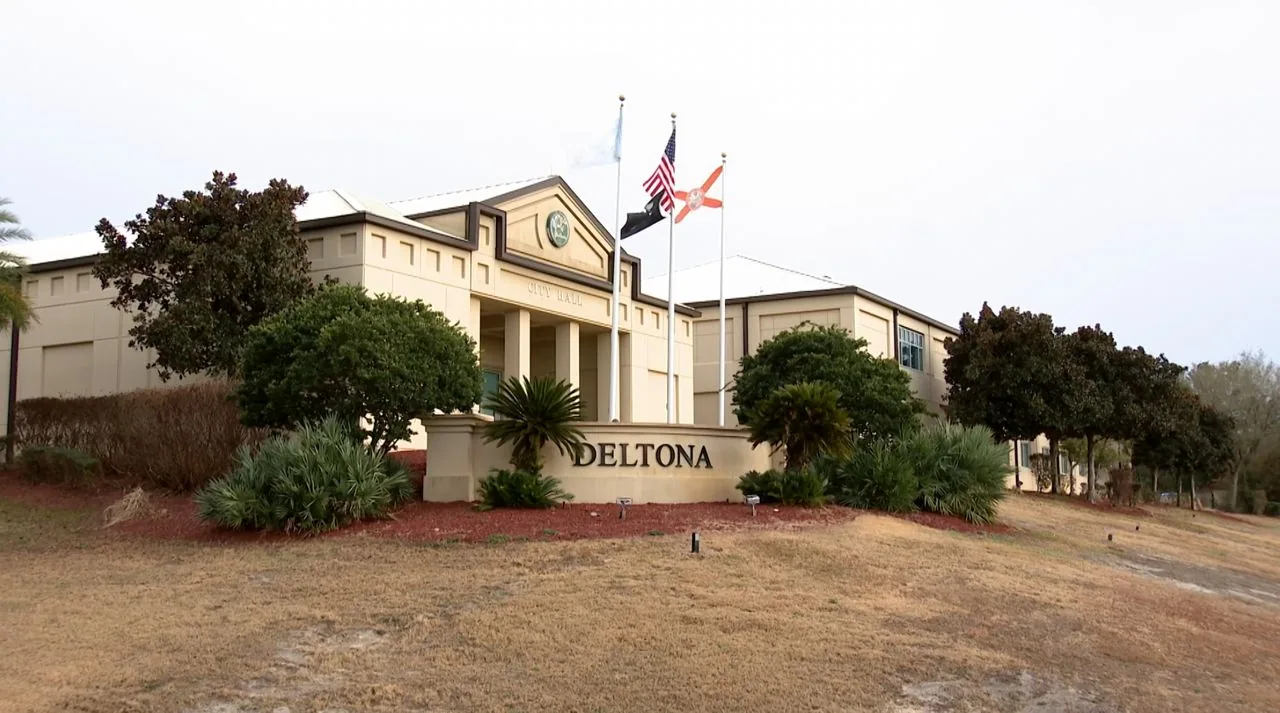
Commercial Roofers Deltona documents the roof before it quotes the work, so every scope starts from what is actually on the building.
Ready to Review Your Roof?
Tell us about the building, the roof and what you are seeing. We will outline the next practical step, whether that is an inspection, a repair scope or a replacement plan.