
Commercial Roofing in Ponce Inlet, FL
Commercial roofing in Ponce Inlet, FL, with storm reviews, repairs and replacement planning. Get roof findings tied to the weather record and scope.
After a wind-and-rain event, a lifted edge or split flashing can let water reach insulation before the ceiling shows a mark. In Ponce Inlet, the first roof decision is whether to stabilize an active opening, document storm damage or measure a larger repair. We inspect the roof surface and details, photograph visible conditions and match them to any interior report. The written scope distinguishes what the owner can approve now from questions that need testing or an opening.
Ponce Inlet is a barrier-island town at sea level with several marinas, so commercial roofs there sit in open wind and take rain at close range. The building's assembly, access and operations are confirmed on site. A storm damage roof inspection gives ownership a record of the actual condition and the next decision.
Wind Review: Check Edges, Seams and Flashing
Wind pressure can expose a loose perimeter, lift an edge termination or open a seam that had already lost adhesion. We inspect corners, roof transitions, penetrations, coping and membrane attachment, then look for signs that water moved beneath the surface. A repair should restore the attachment and close the path into the assembly. If testing shows wet cover board or insulation beyond the visible tear, the scope needs to account for that area before the owner approves a final quantity.
Hurricane Milton brought gusts of 99 mph to Ponce Inlet in October 2024, and Hurricane Ian left 31.52 inches of rain there. Those local storm conditions make post-event documentation and drainage review concrete roof tasks. Rooftop equipment set close to an exposed edge is where wind lifts a termination first, so the walk notes the distance from each unit to the nearest edge and records which corners face open water. We compare the roof's current condition with available prior photos, separate new damage from existing wear and recommend testing where the boundary remains unclear. An uplift and wind damage review can identify edges and details that need prompt attention.
Repair Choices: Stabilize First, Then Set the Permanent Scope
When an opening is active, temporary protection may be needed before a permanent repair can be scheduled. That emergency measure has a separate purpose from restoring the roof assembly. We document the condition, protect exposed materials and return to complete the repair when the surface and weather allow. If the roof remains dry beyond one failed detail, a repair may preserve sound material. If moisture extends farther or attachment is compromised, ownership can compare replacement or recovery using a measured work area.
Ponce Inlet's low elevation and barrier-island setting make water management a direct consideration for inspections, but each roof's drainage design must be checked in place. We review drains, scuppers, perimeter transitions and discharge paths before recommending a coating or overlay. A 24-hour emergency response can address an urgent failure, followed by a defined replacement option when the condition warrants capital work. The written scope keeps temporary protection, repair and replacement as distinct decisions, each with its own price, its own photographs and its own date for the owner's approval, so an owner is never asked to approve a replacement to settle a flashing question.
Water Path: Put the Hidden Area on the Record
A wet ceiling is evidence that water reached the interior, but it rarely marks the full roof area that needs attention. We check the roof above the report and trace nearby seams, drains, penetrations and edges. Moisture mapping or a controlled opening can help define how far water traveled beneath the surface. The owner then sees whether a repair can stay local or needs removal of affected material. Leaving that boundary unanswered can increase tenant exposure and make the eventual quantity harder to manage.
Hurricane Ian's recorded rainfall at Ponce Inlet gives a local reason to review drainage and wet insulation after severe rain. The site walk and interior report establish what happened at this building. A moisture survey can map suspect areas; photos and test results then support a repair scope or an insurance discussion without turning uncertain areas into confirmed damage.
Proposal Review: Keep Event Evidence and Repair Scope Together
After a storm, owners may receive proposals that describe different roof areas or assume different amounts of concealed damage. We list the inspected details, visible damage, testing, temporary protection and permanent work separately. A proposal should say whether wet insulation removal is included, how the roof will be closed each shift and who approves added quantities. That lets the owner compare repair costs and timing against the same evidence instead of relying on a general storm label.
Ponce Inlet roof work should be measured against the applicable permit record before a repair boundary is set. Florida's Eighth Edition, effective December 31, 2023, updated the wind provisions. If cumulative work during a 12-month period crosses 25 percent of roof area, broader compliance may be required; roofs built to the 2007 code or newer may qualify for an exception. We compare documented earlier work with this proposal's quantities, then identify the design review needed for the claim documentation scope.
Schedule: Keep the Roof Closed Between Work Shifts
Coastal weather can narrow the time available to open a roof section, complete the detail and close it safely. We plan the sequence around material delivery, access, tenant activity and the weather forecast, then identify who can approve a change if the window shifts. Temporary protection is ready when the roof must be stabilized first. For occupied properties, the project plan keeps the route for people and equipment clear and gives the manager a schedule for each work area.
For scheduling, the market reference is Deltona's yearly 51 to 53 inches of rain, which arrives mostly June through September; the coastal roof inspection checks the actual windward edges, flashing and discharge path. We log conditions and use roof maintenance for recurring maintenance. If ownership also manages Daytona Beach Shores or Port Orange, those buildings receive separate observations and work limits.
Commercial Roofing Questions
What should be photographed after a Ponce Inlet storm?
We photograph lifted edges, open seams, damaged flashing, punctures, drainage conditions and any visible interior effect. The report labels each finding as observed, tested or still unresolved. That record helps ownership separate urgent protection from permanent repair and supports a clear decision about the work area.
Does Ponce Inlet's barrier-island setting change the roof repair?
It makes drainage and storm exposure worth reviewing, and the roof assembly sets the repair method. We confirm membrane or metal construction, attachment, edges and moisture at the property. That lets the recommendation respond to the actual roof instead of a general coastal assumption.
Can emergency protection be approved before a full inspection?
Yes. We can first address an active opening and document the immediate condition, then inspect more fully when access and weather allow. The proposal separates temporary protection from the permanent repair so the owner knows which work is complete and which decision remains.
How do Ian's rainfall and Milton's gusts affect a roof proposal?
They establish local event context, while the site inspection determines what occurred at the property. We photograph observed damage, review drainage and test concealed areas when needed. A proposal should tie each repair quantity to those findings rather than assign damage based on a storm total alone.
When can ownership compare recovery with replacement?
After the existing layers, deck, attachment and moisture condition are known. We state what can remain, what must be removed and how code review affects each option. The owner receives separate scopes with the same roof boundary and clear assumptions for concealed conditions.
Call Commercial Roofers Deltona for storm documentation, emergency protection or a planned repair scope in Ponce Inlet. We respond around the clock to urgent failures and schedule permanent work with access and weather in view.
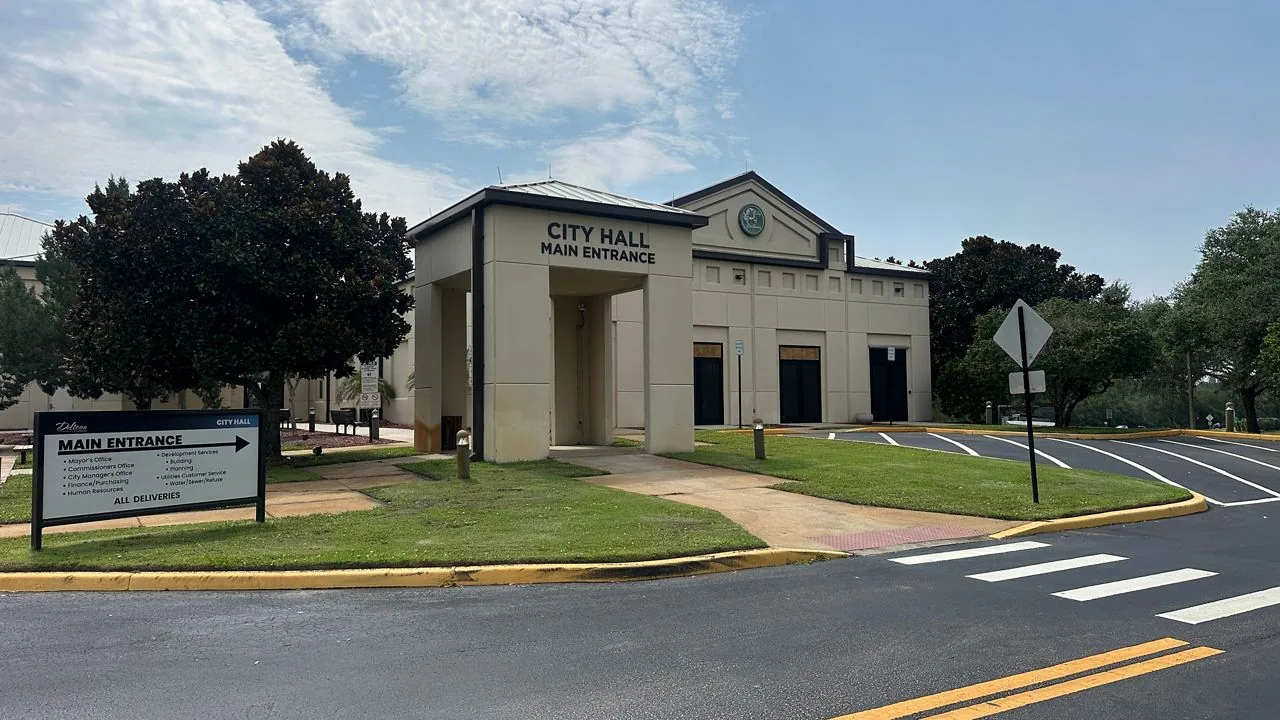
Commercial Roofers Deltona documents the roof before it quotes the work, so every scope starts from what is actually on the building.
Ready to Review Your Roof?
Tell us about the building, the roof and what you are seeing. We will outline the next practical step, whether that is an inspection, a repair scope or a replacement plan.