Commercial Roofing in Daytona Beach Shores, FL
Commercial roofing in Daytona Beach Shores, FL, for inspections, storm repairs and planned replacement. Get a documented roof scope and schedule.
A loose parapet joint can turn wind-driven rain into a ceiling problem before a manager sees a stain. In Daytona Beach Shores, the first visit checks the roof edge, penetrations, seams and drainage, then connects those details to any interior report. We photograph the condition, identify what can be repaired and mark where testing is needed. The owner gets a repair boundary and a decision date while access and tenant coordination can still be planned calmly.
About 80 percent of Daytona Beach Shores residents live in high-rise condominiums along the Atlantic, and State Road A1A, also called Atlantic Avenue, is the city's main road. Those municipal details help frame the built environment, while each property still requires its own roof inspection and access plan. We work with ownership and property managers to document the actual assembly and protect occupied areas. A commercial roof inspection sets out findings before a proposal moves to approval.
Edge Review: Trace the Detail That Lets Water In
At the perimeter, membrane termination, coping, fasteners and flashing all have to hold together as the roof moves through heat and storms. We inspect the edge for open laps, loose metal, sealant failure and signs of water traveling beneath the surface. A repair should restore the full detail, including the transition onto the field membrane, instead of sealing only the visible gap. Photos show the affected length and nearby conditions so the owner can see what is included.
Buildings along Atlantic Avenue take summer thunderstorms, wind-driven rain and heat indexes often above 100 F. That makes roof-edge fastening, seal continuity and drainage discharge the details to document first, and each building's own inspection shows whether any of them has failed. We photograph parapets, corners and transitions and may recommend roof edge and coping repair when loose coping or perimeter metal is part of the observed condition.
Storm Record: Separate Event Damage From Older Wear
After a storm, scattered debris or a ceiling mark can distract from a lifted edge, displaced flashing or membrane puncture that needs attention first. We document visible damage, compare affected areas with prior records and identify any temporary protection required. A claim file benefits from photographs, dates and a clear distinction between observed damage and conditions that require further inspection. The owner can then decide whether to stabilize the roof immediately, open a claim or authorize a broader condition survey.
Daytona Beach Shores and Wilbur-by-the-Sea reported the most damage in Volusia County from Hurricane Nicole. That storm record makes a post-event roof walk valuable, especially where exposed roof details need prompt attention. We use an event damage inspection to record the roof condition and connect repair quantities to what is visible. If water has reached insulation, a claim documentation package can include photos and a written scope for ownership's review.
Repair Choices: Keep the Assembly in View
A localized puncture or open flashing may support repair when the surrounding roof remains secure and dry. If moisture extends through insulation or the roof edge has broader attachment problems, ownership may need to compare repair with replacement. We inspect the visible layers and use testing where hidden conditions could change the answer. A coating requires a compatible surface and prepared details. It cannot replace wet materials or correct a loose perimeter condition without the underlying repair.
Before approving roof quantities in Daytona Beach Shores, establish the permit history and measured work area. Florida's Eighth Edition became effective December 31, 2023, with revised wind provisions. Work that crosses the 25 percent area threshold in a 12-month period can require broader compliance, subject to the qualifying-roof exception for construction under the 2007 code or later. We outline that review beside the proposed replacement scope and restoration option, rather than treating it as a blanket replacement rule.
Bid Review: Include Access and Occupant Protection
A bid that names a membrane repair but omits edge metal, staging or protection below leaves the owner with unanswered cost and timing questions. We identify the work area, describe how the crew will access it and show what will be protected while materials are removed or installed. The manager confirms which entrances, hours and spaces govern the project. On occupied buildings, a phased sequence can limit disruption while each opened area is closed before crews leave.
Where a building has resident or tenant activity, the work plan should tell them when access changes and what temporary conditions to expect. We coordinate with ownership on notices, deliveries and any noise-sensitive period. A phased occupied-building roof project keeps the sequence visible. For a separate property in Ponce Inlet or Port Orange, we prepare a distinct condition record instead of extending a finding from this city to another roof.
Schedule: Set the Work Before the Weather Window Narrows
Roof work depends on conditions at the edge, the amount of material to be removed and the time available to make each section watertight. We confirm site access, staging, tenant coordination and weather contingencies before setting a start date. Emergency protection can address an active failure, while permanent repair or replacement follows a measured scope. The proposal states who can approve concealed-condition work and how the roof will be closed if weather interrupts a shift.
Summer heat and afternoon thunderstorms are part of the Daytona Beach Shores climate context, and the city climate summary records frequent summer storms with heat indexes often above 100 F. That combination affects safe scheduling and the availability of a dry installation window. We plan work to limit open roof exposure, protect occupied space and verify details at close-out. Around-the-clock emergency response is available when an active roof failure needs attention before a regular appointment. Call ahead of the next wet period to establish the decision and schedule on the owner's terms.
The final walk should verify that each opened area is watertight, debris is removed and the owner has photographs tied to the marked roof plan. Record any item that needs another trade or a scheduled follow-up.
Commercial Roofing Questions
What should an owner check after a storm at a Daytona Beach Shores property?
We inspect edges, seams, penetrations, drains and interior areas, then photograph visible displacement or punctures. A storm report should separate observed damage from older wear and from concealed conditions that need testing. That record helps the owner decide on temporary protection, repair or claim documentation.
Does a high-rise condominium tell you how its roof was built?
The citywide housing fact points to a local building context, while an inspection identifies each property's roof assembly. We confirm membrane or metal construction, access and conditions at the roof edge. Those details determine the repair method and the protection plan for occupied spaces.
Can repair work proceed while residents remain in the building?
Yes, when the sequence protects occupied areas and the property contact can coordinate access. We phase roof openings, confirm material movement and identify when tenants need notice. The schedule includes a close-out plan for each work area so the building can continue operating through the project.
When does storm damage call for a moisture survey?
A survey is useful when a visible opening or interior symptom leaves the extent of wet insulation unclear. We map suspect areas, explain where testing adds value and keep confirmed damage separate from areas still under review. That prevents a guess about hidden moisture from setting the replacement quantity.
How should an association compare a repair proposal with replacement?
Use the same documented roof area, access assumptions and code review for both choices. We describe which details a repair will restore, where its boundary ends and what replacement adds. That gives the association a clear record for the reserve line and approval meeting.
Call Commercial Roofers Deltona to inspect the edges, seams and drainage, then receive a written scope with photographs and a schedule. We provide around-the-clock emergency response for active failures and coordinate planned work with occupied properties.
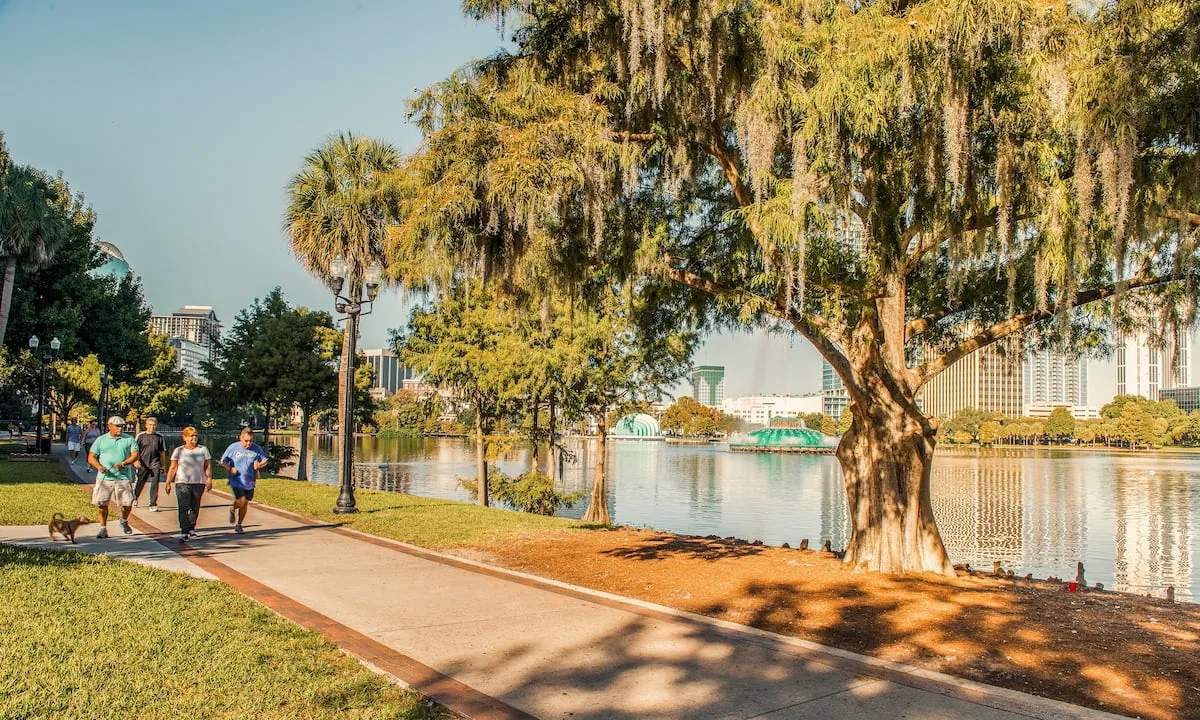
Commercial Roofers Deltona documents the roof before it quotes the work, so every scope starts from what is actually on the building.
Ready to Review Your Roof?
Tell us about the building, the roof and what you are seeing. We will outline the next practical step, whether that is an inspection, a repair scope or a replacement plan.